Butter, Toast and a Quiet Rebellion: In Defence of the Teacake

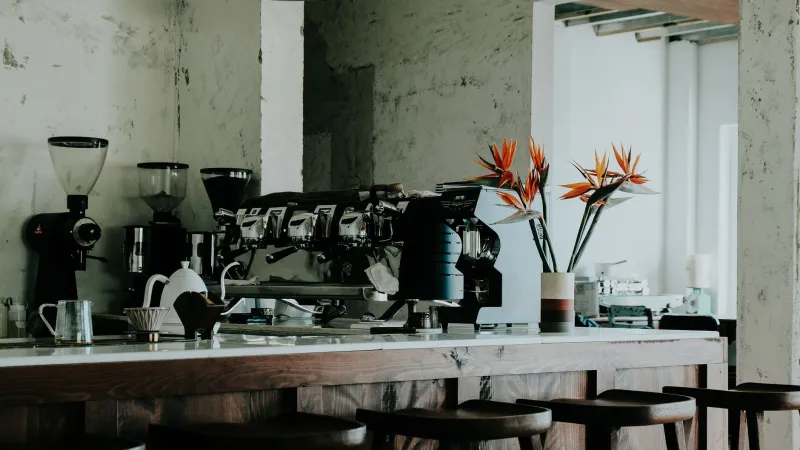
Photo by Photo by Nadya Filatova on Unsplash on Unsplash
Order a teacake in a café and something quietly wonderful happens. It arrives without ceremony: a modest bun, split and toasted, with a pat of butter sliding into the middle. No gold leaf. No piped swirl. No explanation of its fermentation schedule. Just a warm, fruity, faintly spiced thing that makes a cup of tea feel like a proper occasion.
And yet, in the great café hierarchy, the teacake is often treated like the reliable understudy. The croissant gets the glass cabinet. The cinnamon bun gets the photograph. The teacake sits in the corner, quietly doing its job, waiting for someone sensible to order it.
Consider this our quiet rebellion. The teacake deserves more respect.
What exactly is a teacake?
The teacake is not one fixed thing, which is part of its charm. In England, it is generally a yeast-raised bun made with flour, milk, butter, sugar, dried fruit and sometimes mixed peel or spice. It is split, toasted, and buttered. It is not a scone. It is not a brioche. It is not a hot cross bun that has taken its shoes off for the weekend, though the family resemblance is real.
The name is pleasingly plain: a cake — or bun — for tea. The tradition stretches back through British baking, with teacakes sitting alongside breads and buns in the domestic and commercial bakery repertoire. Different regions have their own ideas about size, fruit and how much toasting is appropriate. That is not confusion. That is local knowledge.
In Scotland, there is a separate creature also called a teacake: a biscuit base topped with marshmallow and covered in chocolate. It is delicious, but it is not the same thing. In a Scottish café, you may find both on the menu, which is either wonderfully confusing or exactly as it should be.
The case for the teacake
A good teacake is a lesson in restraint. The crust should have a little give. The crumb should be soft but not claggy. The fruit should be plentiful without turning the whole thing into a dried-fruit delivery system. Toasting is not optional; it is the point. The cut side should go crisp and golden, the edges should warm through, and the butter should melt into the fruit in a way that makes you forget whatever you were about to say.
It also makes practical sense. A teacake costs less than a fancy pastry, travels well, and does not require a fork, a knife, or a photograph before eating. It is the café treat for people who actually want to sit and talk. It is the friend who arrives on time, brings milk, and does not need to be the centre of attention.
There is also something deeply British about it. A teacake is not trying to impress you with technique. It is trying to make you comfortable. In a café culture that sometimes feels as if every bake must be a statement, that is a quietly radical thing.
Regional variations worth seeking out
Lancashire and Yorkshire both have strong teacake traditions, and local bakeries often guard their own versions with affection. Some are fruited and lightly spiced; some are larger and softer; some are best split and toasted under a grill rather than in a toaster. In Lancashire, you may find teacakes with mixed peel and a more pronounced spice note. In Yorkshire, the teacake often appears as a generous, shareable bun, the sort that makes you order another pot of tea.
Wales has its own tea-table heroes, from bara brith to Welsh cakes, and while they are not teacakes in the strict sense, they share the same generous spirit: something warm, something fruity, something built for a pause. In Scotland, the marshmallow teacake is a different joy entirely, best eaten with a cup of strong tea and no pretence of sophistication.
This is the beauty of the teacake. It is not a monolith. It is a mood, a memory and a regional accent all at once.
Where to find a standout teacake in 2026
You do not need a grand café to do this well. You need a café that understands butter and heat. Bettys Café Tea Rooms in Harrogate and York remains a lovely place for a proper tea-table moment, and a toasted teacake there feels entirely at home. In Leeds, Laynes Espresso is the sort of unfussy coffee stop where a well-toasted teacake makes sense alongside a flat white. Bristol's Hart's Bakery brings a bakery's instinct to the bun, while Glasgow's Hidden Lane Tea Room is a good place to embrace the city's dual teacake identity — the fruited bun and the marshmallow biscuit both have their supporters.
Look, too, at smaller local cafés. The best teacake is often the one made nearby, toasted until the cut side is crisp, and served with butter that has been allowed to soften properly. It is not a luxury item. That is precisely why it is worth seeking out.
How to order one properly
Ask for it toasted, not merely warmed. Be specific. A teacake that has only been shown the toaster is a sad thing. When it arrives, butter it immediately and generously, right to the edges. Jam is optional; butter is not. Eat it while it is hot. A milky coffee is fine, but a pot of tea is better. And if the café offers a second teacake, take the hint.
The teacake has been on British café menus for generations without shouting about it. It has fed people after wet walks, before train journeys, and during long catch-ups that ran past the point of needing an excuse. It is not fashionable. It is better than that. It is dependable, warm and quietly generous — which is, when you think about it, exactly what a good café should be.