Christmas Coffee Menus Without the Sugar Rush
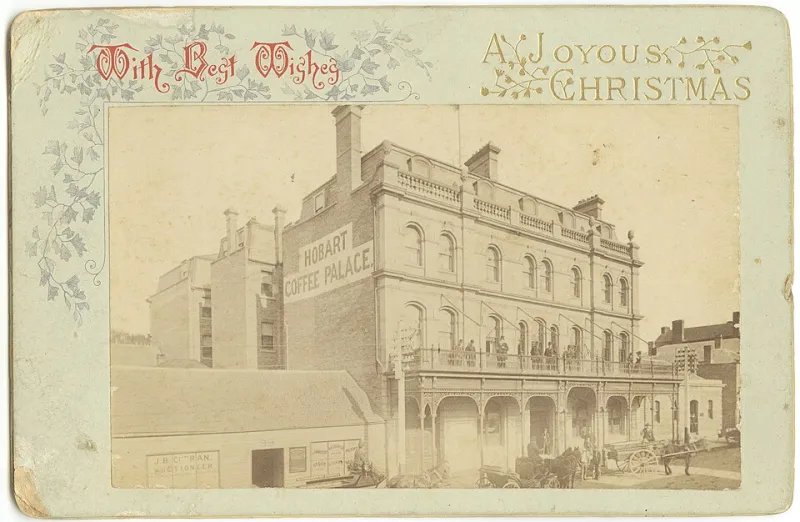
Photo: Tasmanian Archive and Heritage Office Commons, No restrictions, via Wikimedia Commons
By the second week of November, the Christmas menus are already up. The chalkboards have turned red and green, the syrup bottles have multiplied, and every independent cafe and high street chain is trying to sell you a gingerbread something. This is not a complaint. A good festive coffee can be one of the small pleasures of the season. But a bad one can taste like a candle has been melted into a milkshake.
So how do you order well when every cafe goes Christmas? It helps to treat the festive menu less like a test and more like a conversation. Ask a few questions, listen to the answers, and choose the drink that actually sounds pleasant rather than the one with the most adjectives.
Why festive menus get so loud
Christmas menus are designed to be noticed. They lean on nostalgia: gingerbread, orange, cinnamon, toffee, marzipan, clove. In a busy cafe, those flavours need to cut through quickly, which is why so many seasonal drinks are built on syrup. Syrup is consistent, fast and easy to train. It is also where a lot of festive drinks go wrong.
That does not mean every flavoured drink is a disaster. A house-made ginger syrup stirred into a flat white can be lovely. A dark mocha made with proper chocolate and a little orange zest can feel like a treat rather than a dessert. The problem starts when a drink has three sweet elements, a whipped topping and a crumb garnish. At that point, you are not really ordering coffee. You are ordering a slice of cake with a straw.
Four questions worth asking
First, ask what the base is. If the answer is a double espresso, a filter coffee or a strong flat white, you have a decent chance of tasting coffee underneath the Christmas. If the answer is a shot of syrup, milk and cream, adjust your expectations.
Second, ask whether the syrup is made in-house. Cafes that make their own syrups tend to use less sugar and more actual spice. They also tend to be proud of them, which means they will tell you honestly if a drink is very sweet.
Third, ask if you can have half the syrup. Most cafes will say yes. This is the single easiest way to turn a cloying festive drink into something drinkable. You still get the flavour; you just do not get the sugar crash.
Fourth, ask about milk. Oat milk carries spice and chocolate well. Semi-skimmed can make a very sweet drink taste thin. Whole milk makes it richer but heavier. If you are pairing with cake, a lighter milk is often the kinder choice.
Drinks that usually earn their place
A plain filter coffee with a mince pie is one of the great underrated Christmas pairings. The acidity of the coffee cuts through the dried fruit and pastry. If the cafe has a fruity filter on, even better. Ask for it black, or with a splash of milk on the side.
A flat white with a modest amount of gingerbread syrup is another safe bet. The milk softens the spice, and the coffee still has enough strength to hold its own. Ask for no cream and half the syrup. If the cafe offers a cinnamon dusting rather than a syrup, take it.
A mocha made with dark chocolate and a little orange zest can be excellent, especially if it is not piled with cream. The bitterness of the chocolate keeps the drink in check. A peppermint mocha is more divisive. If you love it, order it, but perhaps not with a brownie on the side.
The syrup trap
A gingerbread latte with caramel drizzle, whipped cream and a gingerbread man on top is not a crime. It is just not a drink to pair with cake. It is already a dessert. If you want it, enjoy it, but choose your food accordingly. A plain scone or a piece of shortbread is enough. Ordering a triple-syrup latte alongside a slab of Christmas cake is how you end up needing a lie-down by 3pm.
The same goes for white chocolate and candy cane drinks. They can be fun, but they are sweet first and coffee second. Treat them as a pudding, not a pick-me-up.
Pairing without overload
Mince pies are sweet, spiced and rich. They work best with black coffee, an americano or a small flat white with no extra syrup. If you want a festive latte, skip the pie or share it. Christmas cake is denser and boozier, so an espresso or a strong cortado is a good match. The bitterness stops the cake from becoming cloying.
Panettone is lighter than it looks. A cappuccino or a flat white works well, especially if the panettone is toasted and the coffee is not too sweet. Gingerbread biscuits are best with a plain milky coffee or an espresso. Yule log is rich enough that a black filter coffee is often the most refreshing choice.
A simple ordering script
You do not need to be fussy, but a short question can change everything. Try: Could I have the festive latte with half the syrup and oat milk, no cream? Or: What is the filter today, and is the mince pie warmed? Warming a mince pie is almost always a good idea. Ask for a glass of water too. It sounds small, but it helps.
The bottom line
The Christmas menu is not an exam. If you love the loudest drink on the board, order it and enjoy it. But if you want a festive coffee that still tastes of coffee, ask a few questions, choose a simpler base and pair it with something plainer than you might normally pick. A good Christmas coffee should taste of coffee and Christmas, not just sugar.