Let Your Coffee and Cake Disagree
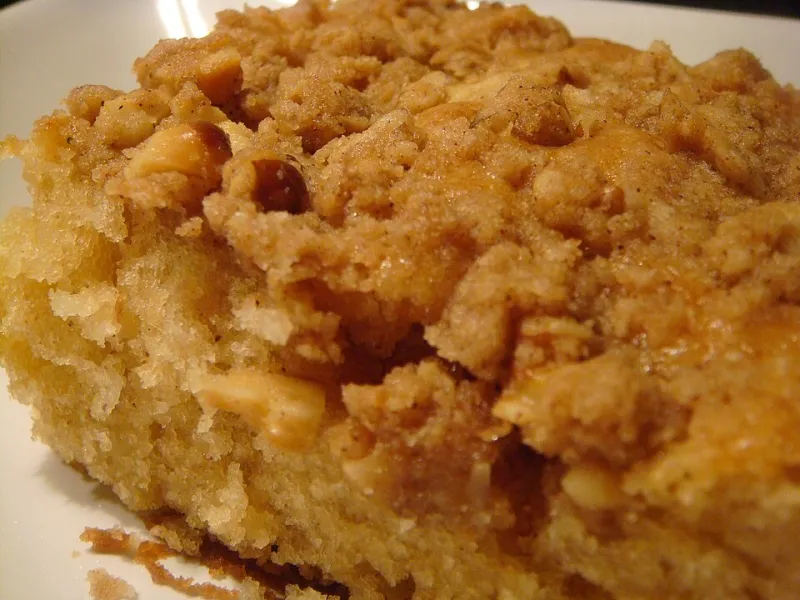
Photo: megan.chromik from Somerville, MA, CC BY-SA 2.0, via Wikimedia Commons
There is a piece of advice that gets repeated in cafes and cookbooks alike: match the flavours. Carrot cake with a cinnamon latte. Chocolate brownie with a mocha. Lemon drizzle with a lemon syrup drink. It sounds sensible. It is also, quite often, the reason a coffee and cake break feels flat.
Matching can be pleasant, but it rarely surprises you. If both the drink and the cake are sweet, spiced and rich, your palate gets one long, pleasant note. After a few bites, you stop noticing either. A pairing should have a little friction. Not an argument, exactly, but a lively conversation.
The trouble with matching
Imagine a chocolate brownie with a mocha. Both are deep, sweet and cocoa-heavy. The first sip and bite are lovely. By the third, the palate is coated and the coffee has stopped refreshing anything. Now imagine the same brownie with a clean black filter coffee. The bitterness cuts through the fat, the fruitiness of the coffee lifts the chocolate, and suddenly both taste more like themselves.
That is the counterintuitive pleasure of a so-called wrong pairing. The drink and the cake do not agree on everything, and that is precisely why they work.
A framework: texture, acidity, sweetness
You do not need a flavour wheel to pair well. Three simple questions will get you most of the way.
First, texture. Is the cake light and dry, or dense and creamy? A dry scone or a slice of plain sponge needs a creamy drink: a flat white, a cappuccino, a latte. A dense brownie or a cream-cheese frosting needs a cleansing drink: black coffee, an americano, a small espresso.
Second, acidity. Does the cake taste sharp? Lemon drizzle, Bakewell tart and fruit scones all have a bright edge. A nutty, chocolatey coffee with milk will soften that edge. A very acidic filter coffee might make it taste even sharper. On the other hand, a fruity filter with a jammy scone can be a happy accident, because the acidity echoes the fruit.
Third, sweetness. If the cake is sweet, the coffee should be unsweetened and preferably black. If the drink is sweet, the cake should be plain. A sweet drink plus a sweet cake is a sugar nap in waiting.
Texture in practice
A Victoria sponge is light, buttery and creamy. It does not need a rich drink. A flat white is enough, or even a filter coffee with a splash of milk. The cake is already soft; the drink should not make the whole mouthful feel like a duvet.
A scone with clotted cream and jam is rich and dry at the same time. An Americano or a black filter coffee is the traditional choice for a reason. The coffee clears the cream from your palate. A cappuccino also works, but keep it small. A large milky latte plus a cream-laden scone is a lot of dairy before noon.
A brownie is dense and fudgy. Reach for a cortado, an espresso or a cold brew. The bitterness is the point. If you want milk, keep it to a flat white rather than a large latte.
Acidity is your friend
Lemon drizzle is one of the trickiest cakes to pair with coffee. The lemon is sharp, the icing is sweet, and a fruity coffee can make the whole thing taste like washing-up liquid. A creamy flat white with a chocolatey, low-acid espresso is a safer bet. The milk softens the lemon, and the coffee adds a gentle bitterness.
Bakewell tart is another interesting one. The almond and jam are sweet and nutty. A black filter coffee with a little acidity can cut through the marzipan. An espresso is also good, but only if you like a firm bitterness.
A fruit scone with jam is different. Here a fruity, slightly acidic filter coffee can work beautifully. The coffee echoes the berries, and the dryness of the scone keeps everything in balance. It sounds wrong on paper. It often tastes right in the mouth.
Sweetness is not a moral failing
This is not about avoiding sweet things. It is about leaving room for the coffee to do something. If you order a caramel latte and a sticky toffee pudding, the drink becomes a sauce. If you order a plain americano and a sticky toffee pudding, the coffee becomes a reset button between bites.
If you really want the sweet drink, choose a plain cake. A gingerbread latte with a plain shortbread is lovely. A vanilla latte with a piece of madeira cake is pleasant. A mocha with a brownie is just too much of the same thing.
Four pairings that sound wrong but work
Black filter coffee with carrot cake. The coffee's bitterness cuts the cream cheese frosting, and the cake's spice stops the coffee from tasting thin.
Flat white with lemon drizzle. The milk softens the citrus, and the coffee's gentle bitterness keeps the icing in check. It is not a classic, but it is a pleasant surprise.
Espresso with a warm scone, jam and cream. The intensity of the coffee against the buttery scone is brilliant. Take small sips.
Cold brew with a brownie. The clean, bitter edge of the cold brew slices through the chocolate. It is refreshing rather than heavy.
How to order the surprise
Start small. Order a small coffee rather than a large one, and share the cake if you are unsure. Taste the cake on its own, then the coffee, then both together. Give it a moment. The first bite can be confusing; the second often makes sense.
If it does not work, you have learned something. Cafes are not exam halls. The point is not to get a gold star for pairing. The point is to enjoy the ten minutes you have carved out of the day.
The case for a little friction
The best coffee and cake pairings are not the ones that agree on every note. They are the ones that leave you noticing something new: a bitterness you did not expect, a fruitiness that lifts the cake, a clean finish that makes you want another bite. So next time you are standing at the counter, do not just match. Let the coffee and cake disagree a little. You might like what happens.