The Cocoa Test: How to Spot a Café That Takes Hot Chocolate Seriously
There is a particular sound a café makes in November. The steam wand hisses, the grinder mutters, and somewhere near the till a child asks for a hot chocolate with everything on it. Quite right too. But when the cup arrives, it is sometimes a pale, sweetened shrug — cocoa powder stirred into hot milk, a mountain of cream, and a marshmallow raft floating on top. It is warming, yes. It is also a missed opportunity.
This is not an attack on marshmallows. A marshmallow has its place, preferably as a garnish rather than a structural necessity. The point is simpler: hot chocolate deserves the same curiosity we already give to coffee. In a good café, it can be every bit as nuanced as a flat white — earthy, fruity, bitter-sweet, comforting, and made with a little thought.
Why cocoa deserves a place beside the espresso machine
Coffee culture has taught UK café-goers to ask questions. We know our beans, our roasts, our milk alternatives. We notice when a barista takes care over extraction. Hot chocolate has not always enjoyed that same scrutiny. Too often it is treated as the children’s option, the non-coffee consolation prize, or the drink that gets the leftover steam wand attention.
That is a shame, because cocoa is a fascinating ingredient. It has origin, fermentation, roast, and fat content. It can be bright or deep, nutty or dried-fruit sweet. A café that lists a single-origin drinking chocolate is not being pretentious; it is simply saying that the drink matters. And in winter, when the pavements are cold and the windows are steamed up, a properly made cup can be one of the most satisfying things on the menu.
It starts with the cocoa, not the toppings
The first sign of a café that cares is what goes into the cup before the cream. Instant powder has its place in a kitchen cupboard, but a serious hot chocolate usually begins with chocolate — flakes, buttons, or a ganache — melted into milk. The difference is texture and flavour. Cocoa powder alone can taste thin and dusty; real chocolate brings cocoa butter, sweetness, and a rounder mouthfeel.
Look for a menu that mentions percentage or origin, even briefly. “70% dark chocolate” or “Colombian drinking chocolate” tells you more than a list of syrups. It does not need to be a lecture. A chalkboard note is enough. The best cups often taste of more than sugar: a little bitterness, a little fruit, a finish that lingers without cloying.
Texture is the tell
A good hot chocolate should feel like a drink, not a dessert in a mug. It should be smooth and slightly thick, but still sippable. If it coats the back of the spoon like custard, fine — as long as it does not sit in the stomach like a pudding. If it is watery, no amount of whipped cream will save it.
Temperature matters too. Scalded milk tastes flat and sad, and chocolate can turn grainy if it is heated too hard. A careful café will steam the milk gently, melt the chocolate properly, and serve it hot enough to warm your hands without burning your tongue. It is a small craft, but it is craft all the same.
The ritual around the cup
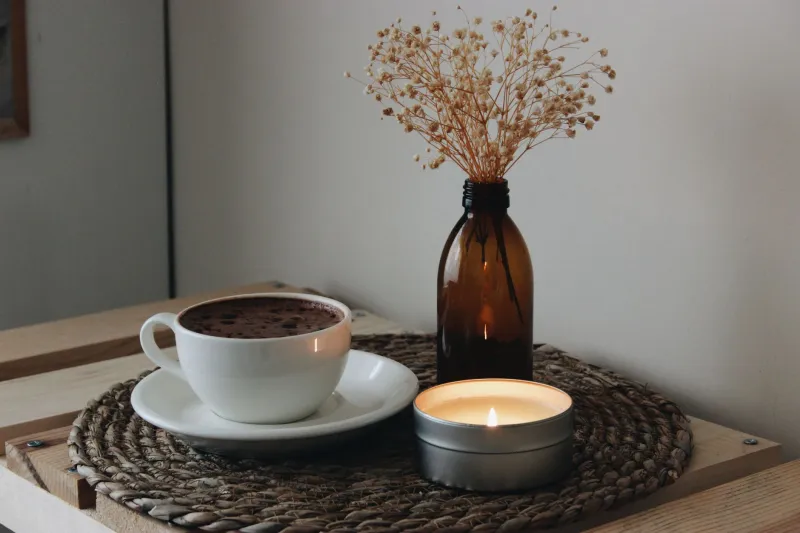
Serving says a lot. A proper ceramic cup holds heat better than a paper takeaway beaker, and it feels like something worth sitting down for. Some cafés offer a small glass of water alongside, which is a nice touch — it clears the palate and makes the whole thing feel considered. A spoon is useful, especially if there is a little unmelted chocolate at the bottom, though ideally there should not be.
Toppings are where things get personal. Cream can be lovely. Marshmallows can be fun. Cinnamon, chilli, orange zest, or a dusting of cocoa can all work. But they should sit on top of a good drink, not cover up a bad one. If the first instruction is “add three sugars,” the cocoa is probably not doing its job.
Quiet signs a café takes hot chocolate seriously
You do not need a sommelier-style menu to spot a good cup. Look for the small clues. The hot chocolate is listed with a little detail — cocoa percentage, origin, or the word “ganache.” The café offers a small size as well as a mug. The staff ask whether you want it sweet or dark. There is a proper spoon and a real cup. The marshmallows are optional, not compulsory. And the drink arrives at a temperature that suggests someone tasted it before it left the counter.
Another good sign: the café does not treat hot chocolate as a rival to coffee. The two can live happily on the same menu. A barista who cares about espresso usually cares about milk texture, and milk texture is half of a good hot chocolate. The skills overlap. The curiosity should too.
A winter drink, not a compromise
As the cold settles in for another winter, there is something deeply civilised about ordering a hot chocolate in a café and being given something that tastes of chocolate rather than sugar. It is not a lesser choice. It is not just for children. It is a warm, generous drink that rewards a bit of care.
So next time you are choosing between a flat white and a cocoa, follow your mood. But if you choose the hot chocolate, choose a café that takes it seriously. And if you are lucky enough to find one, sit by the window, wrap your hands around the cup, and let the marshmallow be the finishing touch — not the whole story.