Why Brunch Can Queue: The Case for a 3pm Cake Hour
Photo: National Museum of Korea, KOGL Type 1, via Wikimedia Commons
There is a moment in the British café day that nobody talks about, and it lasts roughly from three o'clock until five. The lunch dishes are washed. The next rush is hours away. The staff have that loosened look of people who've survived the worst of it. And outside, the light is already going, which is either depressing or rather lovely depending on whether you're the sort of person who has ordered a pot of tea.
This is cake hour. It has no menu of its own, no reservation system, no hashtag. It is the best-value sitting in the country and we have somehow let it become the empty one.
The hour nobody booked
We have, in the past twenty years, made a great fuss about brunch. Sunday brunch is booked weeks ahead in some cities; queues form outside at half nine for eggs that will arrive at eleven. Breakfast has been extended, elaborated and photographed. Lunch has been colonised by the working day. Evening is dinner's territory, guarded fiercely.
Somewhere in the shuffle, we skipped the sitting that used to hold the whole afternoon together. Elevenses survives in spirit, and afternoon tea survives as a very expensive hotel treat, but its scruffy cousin — one slice, one pot, one hour, at whatever hour you happen to be free — has quietly gone missing.
Yet it's the one that fits modern life best. It comes after the pushchair crowd has gone home and before the evening bookings. It doesn't require a plan, a booking or a full appetite. It asks for less of your money, less of your stomach and, crucially, less of your afternoon.
What a proper cake hour looks like
The rules, such as they are, are simple.
Small slices. This is the whole point. A cake hour is not an excuse for a fourth meal; it's an excuse for a taste. A half-slice of Victoria sponge, a square of brownie cut thin, a single finger of lemon drizzle. Cafés that sell a 'cake flight' — three modest pieces on one plate — are already ahead of the game and deserve your loyalty.
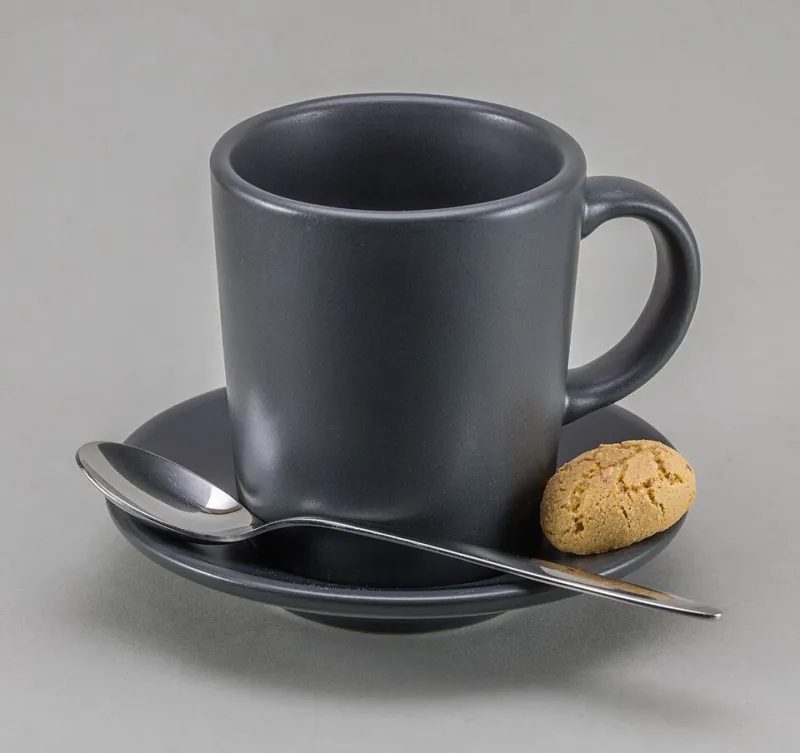
A pot of tea. Not a mug, if you can help it. The pot is what makes the hour stretch, because a pot takes time to empty and nobody expects you to be fast about it. Coffee works, obviously, but there's something about a chipped pot with a strainer that signals to everyone in the room, including you, that this is not a sprint.
A quiet table. The reason cake hour is worth defending is the room it takes place in. By three, the tables have thinned, the music seems to have come down two notches of its own accord, and you can hear your companion. You can hear yourself think. That is worth a great deal in a country that has spent a decade shouting over the espresso machine.
Why it beats queuing for brunch
Brunch is, let's be honest, a performance. It requires getting up. It requires booking. It involves a plate so large it becomes a challenge, and a bill to match, and the faint sense that you're being processed through a system designed to turn the table over by twelve.
Cake hour requires none of this. You can decide at 2:50pm that you'd like some cake, and be sitting down by ten past three. You can do it on a Tuesday. You can do it alone without feeling like you're occupying a table meant for a party of four. It suits people with children, people without them, people who've just finished a shift, and people who've spent the afternoon trying to read a spreadsheet.
And it's cheaper — genuinely cheaper — which matters more this year than it did last. A pot of tea and a single slice is one of the last small pleasures in Britain that hasn't been repriced beyond reach.
A ritual with room in it
There's also something quietly civilising about it. A cake hour asks you to slow down in the middle of an afternoon that would otherwise be spent in front of a screen. It gives a shape to the day: a marker between the working part and the evening part. In Italy the afternoon coffee is a standing invitation; in Britain we've let ours become a stop-off between meetings, drunk standing up.
Sitting down with a small slice is not decadence. It is, on the evidence of a wet Thursday in February, closer to maintenance.
How to start one in your town
It doesn't need a campaign. It needs customers at three o'clock.
Find the independent café that's quiet after lunch, and go in at the awkward hour rather than the obvious one. Order the single slice rather than the whole portion. Sit for forty-five minutes and read or talk rather than scrolling. If you're somewhere with a favourite spot, tell them why you've come at that hour — cafés listen to that sort of thing, and one regular customer at 3pm is often all it takes for a slice of the day to be protected rather than cut.
And if the staff look surprised to see you, say what you're doing there. You're having cake hour. It's a British thing. We're bringing it back.